
Quido’s Story
A personal story of reconnecting with the body, rebuilding trust and rediscovering the joy of movement, with somatic practice, family support and scientific context.
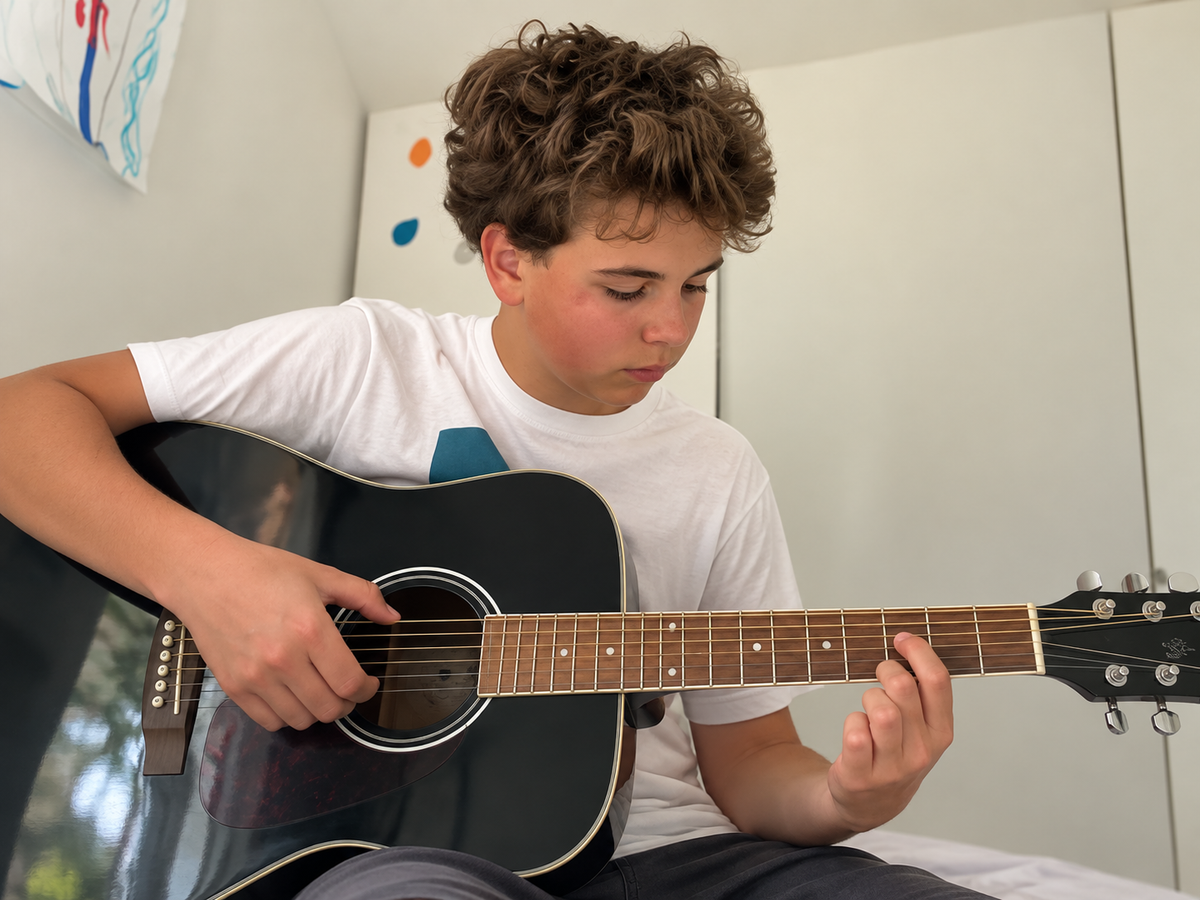
Coming back to yourself can begin in an almost imperceptible way: feeling a steadier connection with your body, finding renewed confidence in movement, or staying present a little longer with what you are experiencing.
Quido's journey began during a period of intense physical symptoms and a search for answers. His family sought professional medical help while also looking for ways to stay connected with what he was going through.
Over the following months, new understanding, changes in daily habits, and a gradual return to familiar activities became part of his journey.
This article brings together Quido's personal account, his family's observations, my perspective as a practitioner, metaphor, and current scientific context. Each has a different evidential value. Keeping them distinct respects both the human experience and scientific accuracy.
Quido, in his own words
The most natural place to begin is with his own voice. In this video, he speaks about a difficult period with his health, changes in lifestyle, breathing and physical exercises, and what he personally found helpful along the way.
Where the journey began
In December 2023, Quido was thirteen years old. An active young athlete, he began experiencing pain in his feet. Medical examinations followed. Later, he experienced back pain, digestive difficulties, episodes of collapse and seizure-like events, changes in awareness, panic, and moments of altered contact with his surroundings.
The family sought answers through orthopedics, sports medicine, neurology, physiotherapy, and psychiatric care. Each assessment offered part of the picture, while the whole experience called for a wider understanding.
Alongside “What is happening?” another question emerged: “What is he experiencing, and what might support greater orientation, stability, and trust in his own experience?”
Making space to listen
When we met, we began with what was present in the moment. Attention turned toward breath, bodily sensations, tension, emotions, physical expression, and the ability to recognize and name internal signals.
The family naturally became part of our work. A young person's challenging health experience affects the entire relational system. Parents also need support in understanding their own reactions and bringing greater stability into daily life.
What the family valued was the experience of having the whole person attended to: physical experience, emotions, needs, and resources.
What we explored together
We worked both in person and online. Conversation was one part of the process; direct somatic awareness was another.
- conscious breathing practices,
- meditation, including Kirtan Kriya,
- yoga and physical exercise,
- awareness of bodily sensations and tension,
- space for emotions, sound, and spontaneous expression,
- developing the ability to recognize internal signals,
- changes in daily habits and lifestyle.
Our intention was to create conditions for greater orientation, curiosity, discernment, and a wider range of possible responses.
Somatic awareness as a source of information
Conversation can bring understanding. Direct attention to embodied experience adds another layer: breathing, muscle tension, rhythm, orientation, balance, and the perception of one's own boundaries.
This is why I combine conversation with somatic awareness, breathing, and appropriate physical activity. These approaches may form part of broader support according to the needs of each individual.
What might change when we begin to experience a bodily symptom not only as a problem, but also as information that can be explored with care?
What the family noticed
In the following months, Quido's parents described changes in several areas. According to their observations, seizure-like episodes occurred less often. His ability to notice internal signals and respond to them grew.
Conscious breathing, a more regular daily rhythm, dietary changes, and renewed interest in sport became part of everyday life. With them came a desire to explore his physical abilities and enjoy movement again.
In his own words
“I learned many breathing and physical exercises. I know how to work with my breath and when and how to use it. My lifestyle has changed.”
These are Quido's own reflections on his journey, translated into English.
Nutrition as one part of the bigger picture
Changes in diet also have an important place in his personal account. Nutrition influences metabolism, energy availability, and many processes involved in the functioning of the brain and body.
In this case, we can say that dietary changes were part of a broader lifestyle shift and that Quido experienced them as meaningful. Establishing whether, and to what degree, a particular dietary change affected his seizure-like episodes would require clinical evaluation and systematic research.
Rediscovering the joy of movement
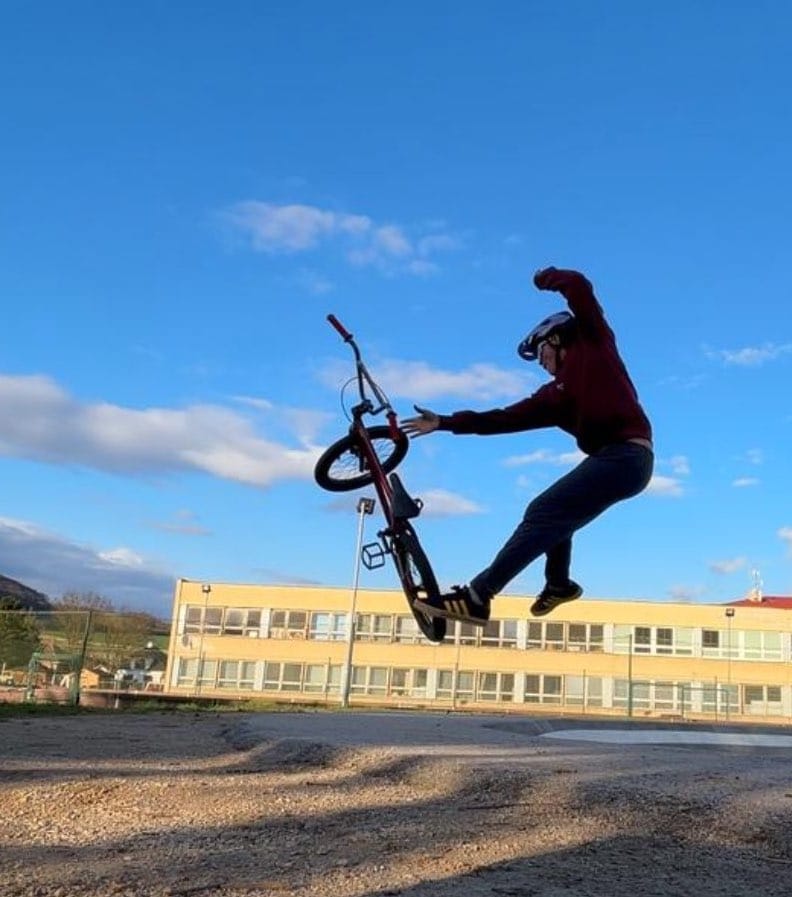
One of the most moving parts of the story is Quido's renewed interest in sport and in exploring what his body can do. This short video captures one moment of that joy.
The video documents a moment in time. Understanding the causes of particular changes requires a wider clinical and research perspective.
Functional and dissociative seizures: the scientific context
When a person experiences seizure-like or collapse episodes, careful neurological differential diagnosis matters. Events that look similar may arise through different mechanisms and require different forms of care.
Some of the episodes in Quido's journey were described as nonepileptic seizures. The expression psychogenic nonepileptic seizures (PNES) has long been used for a particular group of functional seizure-like events. In 2025, an International League Against Epilepsy task force proposed the term functional/dissociative seizures (FDS).
FDS may involve changes in awareness, perception, and behavioral control. Diagnosis relies on clinical presentation, history, the characteristics of episodes, and available records. When questions remain, video EEG of a typical event may provide further information. Assessments may also consider coexisting epilepsy and other medical or psychological conditions.
I use FDS here as a contemporary scientific framework for understanding functional seizure-like symptoms, not as an independent diagnosis of Quido. His individual clinical classification belongs to qualified healthcare professionals and the available diagnostic evidence.
A biopsychosocial perspective
Current understandings of functional neurological disorders consider interactions among biological, psychological, relational, and social factors. Physical strain, stress, emotions, attention, past experiences, relationships, and the processing of bodily signals may all be relevant, in different ways, to different people.
An appropriate clinical approach begins with an individualized assessment and positive diagnostic signs relevant to the specific condition.
What research supports today
Guidance published by the American Academy of Neurology in 2026 reviews the evidence for managing functional seizures. For appropriately selected people, psychological interventions may help reduce episode frequency and anxiety and improve quality of life and psychosocial functioning.
The guidance emphasizes clear explanations of diagnosis, respectful communication, shared decision-making, and continuity of care. For children and adolescents, support often involves coordinated psychological care, rehabilitation, families, schools, and other professionals as needed.
Personalized, multidisciplinary support brings different forms of care together around the needs of the individual.
Yoga, breathing, and somatic work
Breathing, meditation, yoga, and exercise were part of our shared work as ways to cultivate awareness of internal states, attention, rhythm, and physical confidence.
I describe them as elements of this particular person's experience. Their clinical suitability is always individual.
The story of a stream that found another way
In an earlier version of this story, I used the image of a mountain stream. I still find the metaphor meaningful.
Once there was a mountain stream that flowed easily through the landscape. It knew the stones it flowed around, the birds that drank from it, the trees along its banks, and the quiet mountain from which it came. Its journey had a natural rhythm.

One day, the stream reached dry land. The soil was different, the sun stronger, and the water began to sink deep into the earth. It tried to continue in the way it had always known, until another possibility emerged: the journey could carry on in a different form.
Some of the water moved into the soil. Some rose into the air as vapor. The wind carried it across the land and, days later, rain fell somewhere else. Water met the earth once again, forming a new current.
The form of the journey changed. Water remained water. Its source remained part of its story.
For me, this image speaks to those times when familiar ways of living ask for a new form. Continuing may involve new understanding, a gentler relationship with experience, new responses, or returning to something that has always mattered.
The stream is a metaphor for change, adaptation, and continuity. It is not an explanation of the biological, neurological, or psychological mechanisms behind symptoms, which belong to scientific research and clinical assessment.
What I take from this journey
What stays with me is how concrete this story is. A young person experienced intense and complex symptoms. His family searched for answers. Medical care, conversation, somatic practice, breathing, movement, lifestyle changes, family support, and time all played parts in a broader journey.
With growing understanding, opportunities for sport, curiosity, connection, and enjoyment of life opened again.
This story matters as one person's journey. We can listen to it, learn from it, and leave space for each person to find their own way forward.
Sources and scientific context
Functional and dissociative seizures
Current American Academy of Neurology practice guidance on the assessment, communication, and management of functional seizures.
NeurologyProposal from the International League Against Epilepsy task force to adopt the term functional/dissociative seizures.
EpilepsiaProfessional resources on functional/dissociative seizures and multidisciplinary care.
ILAEChildren and adolescents
A review of pediatric approaches, including the biopsychosocial model, psychological interventions, and multidisciplinary rehabilitation.
Current Treatment Options in NeurologyA review of current clinical practice in pediatric functional neurological disorders, including family and school involvement.
Pediatric Neurology