
MY APPROACH · QUESTIONS & ANSWERS
Understanding My Approach
Five questions about how I bring conversation and body-based work together, what happens in an individual session, and how self-understanding gradually becomes part of everyday life.

What defines my approach?
Curiosity about our own experience is at the heart of this work. Together, we pay attention to what you share, what you feel, and how you experience it in your body.
I bring together conversation and the principles of Compassionate Inquiry®, a sensitive exploration of emotions, beliefs and learned responses, with somatic work: awareness of bodily sensations, breath and movement. My approach draws on more than fifteen years of hands-on bodywork experience, alongside many years of yoga and meditation practice.
Personal boundaries, respect and your own pace are central to our work. Sometimes a conversation brings a fresh perspective. At other times, a moment of attention to what is happening in the body offers a new understanding.
What happens during our first session?
We begin with what brings you here. Together, we identify the topic, your expectations and what feels important to you at this point in your life.
During our conversation, we sometimes pause to notice your breath, tension, emotions or bodily sensations. We also pay attention to your boundaries and natural pace. Each step is guided by mutual agreement.
At the end, we reflect on what emerged during the session and look for a simple way to bring a new insight into everyday life.
How do we explore recurring reactions and patterns?
We notice situations in which a familiar response arises, such as withdrawing during conflict, feeling a need to please others or becoming highly self-critical.
We explore what triggers the response, what happens in the body, which thoughts arise and what needs remain in the background. Sometimes we recognise a learned way of protecting ourselves or adapting that developed earlier in life.
As we gradually understand our responses, more space opens up for conscious choices and new possibilities in everyday situations.
How do new insights become part of everyday life?
Self-understanding finds its value in ordinary moments: a conversation with someone close, a decision to be made or a situation in which a familiar reaction appears again.
An illustrative example
Imagine someone who automatically gives way when another person disagrees, even while feeling tension and a need for more space. Through exploring this together, they begin to notice their response, put their needs into words and gradually practise expressing a boundary in everyday life.
Change often unfolds through small steps. Insight gradually becomes lived experience, shaping how we communicate, make decisions and build relationships.
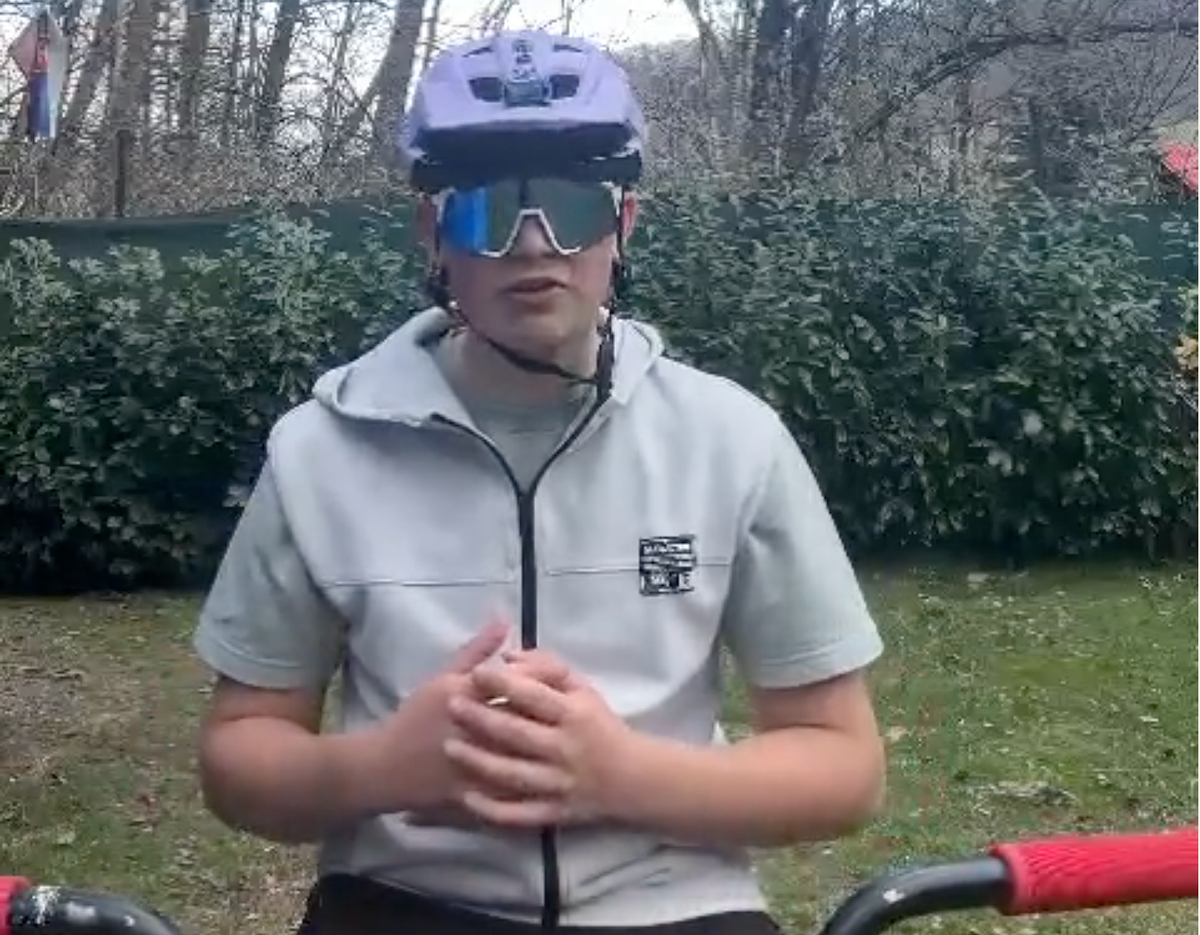 Quido Shares His StoryA personal account of movement and finding his own way. Video with English subtitles; the article is in Slovak.
Who is this approach for?
For people interested in self-understanding, relationships, personal boundaries, emotions, life changes or recurring reactions.
Some people come with a specific concern, while others sense that something in their life deserves more attention. What connects them is an openness to exploring their own experience.
AREAS WE EXPLORE
 A Conversation About My Practice
Personal reflections on presence, somatic work and Compassionate Inquiry.
What does compassionate, body-aware inquiry look like in practice? An extended conversation about presence, personal experience, professional development and working at the pace of the person in front of me.
This Q&A originated from questions I was invited to answer for a research project exploring practitioners’ experiences with Compassionate Inquiry. The version presented here has been edited and organised for readability. These responses reflect my personal perspective and professional experience, not the findings of the research project or a description of every service I offer.
For me, the quality of presence matters as much as the questions we ask. Curiosity, attunement and respect create room to recognise patterns and discover what a person needs.
My background and approach
What is your professional background?
I work with people individually and in groups, bringing together reflective inquiry, body awareness, breathing practices and movement. My background includes formal training in Compassionate Inquiry and many years of hands-on experience in massage and deep tissue bodywork. Kundalini Yoga and regular personal practice also shape how I work.
What drew you to Compassionate Inquiry?
I first encountered it through the work of Dr Gabor Maté. I was drawn to its combination of compassion, curiosity and attention to the adaptations people develop in response to earlier experiences. It resonated with what I had observed in body-based practice.
How do you understand Compassionate Inquiry today?
I understand it as a way of being present with another person while gently exploring their experience. My understanding has evolved from seeing it primarily as a method towards recognising the importance of relationship, pacing and the capacity to stay present.
What happens in a session?
How might a session begin?
We often start by slowing down and noticing what is present. I listen to the person’s story while also attending to shifts in breath, tone, emotion and bodily sensation. Reflective questions may help us explore beliefs and familiar patterns.
Is there a fixed process?
Each session responds to the person’s needs and current capacity. Sometimes inquiry is helpful; at other times we focus on grounding, regulation or simply being with an experience. Participation, boundaries and pacing remain central.
How does it connect with somatic work and yoga?
Reflective conversation can help us recognise patterns, while breathing, movement and body awareness offer complementary ways of noticing and integrating experience. I draw on these approaches according to the context rather than treating any single technique as the whole answer.
Presence, safety and professional responsibility
What qualities matter most in this work?
Presence, patience, emotional attunement, curiosity and a grounded awareness of my own responses. The quality of the relationship matters. I aim to remain clear in my role and respectful of both the other person’s boundaries and my own.
When is deeper inquiry less appropriate?
When someone feels overwhelmed or highly activated, a slower approach may be more useful. Grounding and regulation can take priority over exploring difficult memories or beliefs. The work should follow the person’s capacity, and medical or specialist mental health support may be necessary depending on their circumstances.
What have you learned through training and practice?
Formal training gave me an important foundation, while peer practice, mentorship, supervision and direct experience continue to develop my understanding. I have become less focused on applying a technique and more attentive to what is happening in the moment.
What supports you personally?
Yoga, pranayama, meditation, movement, time in nature, gardening, sport, reflection and professional support help me remain connected to myself. These practices support how I show up when working with other people.
What may people take from this process?
In my experience, people sometimes begin to recognise recurring reactions with greater clarity and kindness towards themselves. They may notice their needs sooner or discover more possibilities in how they respond. Each person’s experience is different, and no specific outcome is guaranteed.
Understanding deepens as it gradually becomes part of the way we live.
