The Eight Limbs of Yoga
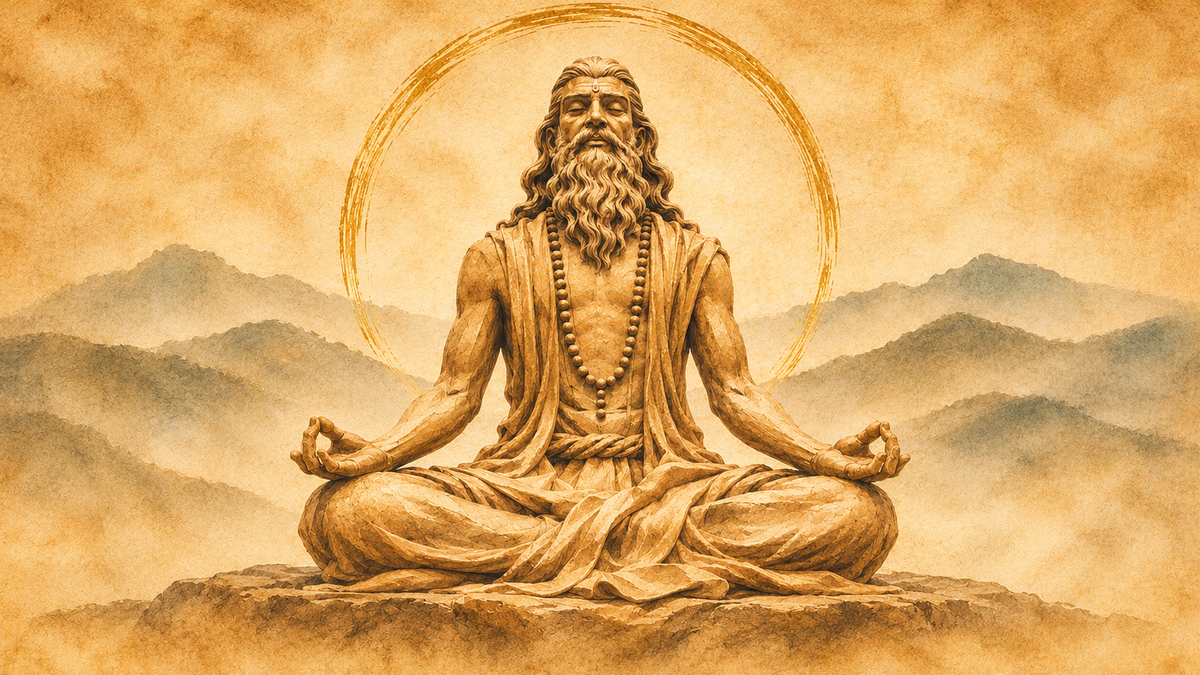
YOGA PHILOSOPHY · ASHTANGA
The Eight Limbs of Yoga
Yoga reaches beyond physical practice. Explore the eight limbs described in the tradition of Patanjali, their philosophical meaning and reflections that connect traditional wisdom with everyday life.
The Yoga Sutras attributed to Patanjali describe an eightfold path (ashtanga yoga). Physical postures form just one part of this broader exploration of life and awareness.
The eight limbs at a glance
These interconnected dimensions can be revisited in everyday life as well as on the mat.
Yama
How we live in the world
Yama describes five ethical guidelines: ahimsa (non-harming), satya (truthfulness), asteya (non-stealing), brahmacharya (conscious use of energy) and aparigraha (non-possessiveness). These are more than rules: they invite us to look at the quality of our choices and relationships.
In what everyday situation could I act with greater honesty and consideration today?
Niyama
How we relate to ourselves
Niyama includes five personal observances: saucha (cleanliness), santosha (contentment), tapas (sustained effort), svadhyaya (self-study and study of teachings) and ishvara pranidhana (dedication to a higher principle). Together they frame a regular practice in which discipline and acceptance meet.
What helps me remain committed while also being kind to myself?
Asana
How we inhabit the body
In the Yoga Sutras, asana is associated with steadiness and ease in a posture. Contemporary physical yoga includes a much wider variety of movements and sequences. Attentive awareness of the body, breath and personal capacity matters more than achieving a perfect outward shape.
When do I recognise the difference between useful effort and unnecessary pressure while moving?
Pranayama
How we work with breath
In its traditional context, pranayama refers to the conscious regulation of breath. Breathing rhythm can influence how we feel and our level of bodily activation. A gradual, appropriate approach matters; simply observing the natural breath can be a valuable beginning.
How does my attention change when I simply observe my breathing for a moment?
Pratyahara
How we turn attention inward
Pratyahara refers to gradually withdrawing attention from the automatic pull of sensory stimuli. It does not mean fighting the world. It is the ability to choose where attention rests and to notice what is happening in our inner experience.
What stimulus could I put aside briefly today to sense myself more clearly?
Dharana
How we cultivate concentration
Dharana means focusing the mind on a chosen point, such as the breath, a sound or an object. Attention naturally wanders and we gently return it. That return is an essential part of the practice.
What happens when I return my attention without judging myself?
Dhyana
How meditation deepens
Dhyana refers to a sustained flow of attention in meditation. Where dharana deliberately focuses the mind, in dhyana attention becomes more continuous. The traditional text describes it as a deeper aspect of meditative practice, not something to force.
Can I notice moments of presence without needing to prolong them?
Samadhi
How the tradition describes deep absorption
In yoga philosophy, samadhi refers to profound meditative absorption, in which the relationship between the observer and the object of attention changes. Different schools interpret its stages in different ways. It belongs to yoga’s philosophical and experiential map.
How does my relationship to experience change when I feel less need to label it?
Who was Patanjali?
Patanjali is traditionally credited with compiling the Yoga Sutras, a collection of concise statements about mind, practice and liberation. The dating of the text and the historical biography of its author remain subjects of scholarly discussion. Various forms of yoga existed before this work.
Patanjali’s contribution lies especially in the systematic presentation of the teaching. The eightfold path is traditionally listed in Yoga Sutra II.29.
Yoga, breath and the nervous system
Contemporary research examines how different forms of yoga practice may relate to stress, attention, mobility and subjective wellbeing. Findings depend on the techniques, populations and study methods involved. They do not establish specific biological effects for each of the eight limbs.
Heart rate variability (HRV) is one physiological measure studied in relation to autonomic regulation. Many factors affect it, and a single HRV value is not a universal measure of psychological health or spiritual development.
In personal practice, noticing the natural breath, bodily sensations and our responses can be a meaningful place to begin.
From understanding to practice
The eight limbs can be approached as a map connecting relationships, personal discipline, movement, breath and attention. Their value becomes tangible when ideas turn into lived experience.
Choose one limb and one small question to carry with you this week. This too can be a beginning of conscious practice.
Explore practice in Saibhang Club
Bring movement, breath and attention into shared practice.
Explore Saibhang Club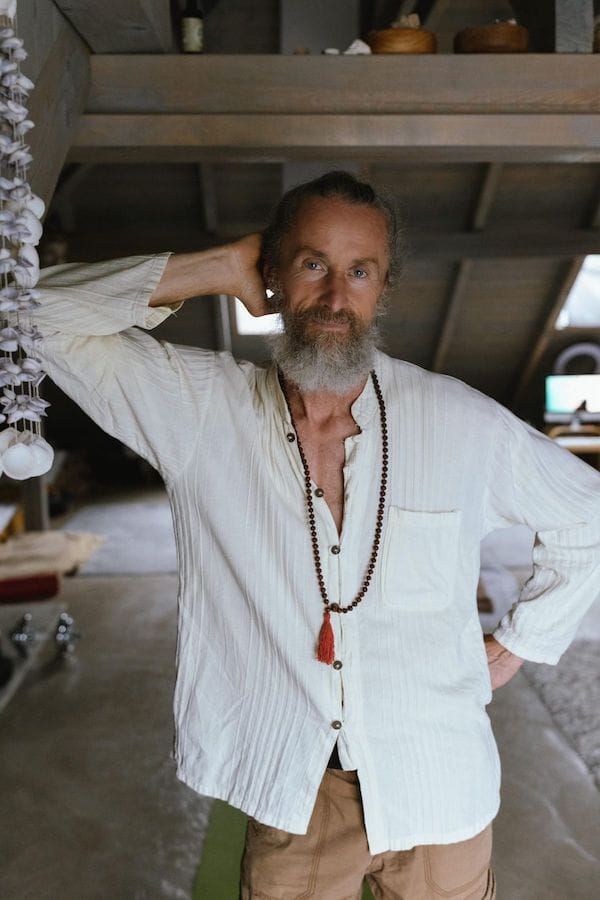 Raasti HavalaSomatic Work · Self-Discovery · Integration
Sources and further reading
- Patanjali, Yoga Sutras II.29 — the traditional enumeration of the eight limbs. Translations differ in their interpretations of Sanskrit terms.
- Stanford Encyclopedia of Philosophy — historical and philosophical background.
- NCCIH — Yoga: What You Need To Know — research overview and safety considerations.